MYHOME
The Ultimate Guide to Home Decor: Styles, Ideas, and Inspirations
Home decor is more than just arranging furniture and hanging pictures on walls. It is a form of art and self-expression that transforms a house into a home. Through colors, textures, furniture, and lighting, people shape their environments to reflect their personalities, values, and lifestyles. This article is a complete, 5000+ word exploration into home decor, covering timeless styles, modern trends, practical tips, and inspirational ideas for every type of space — whether it is a small apartment, a large suburban home, or a cozy countryside cottage.
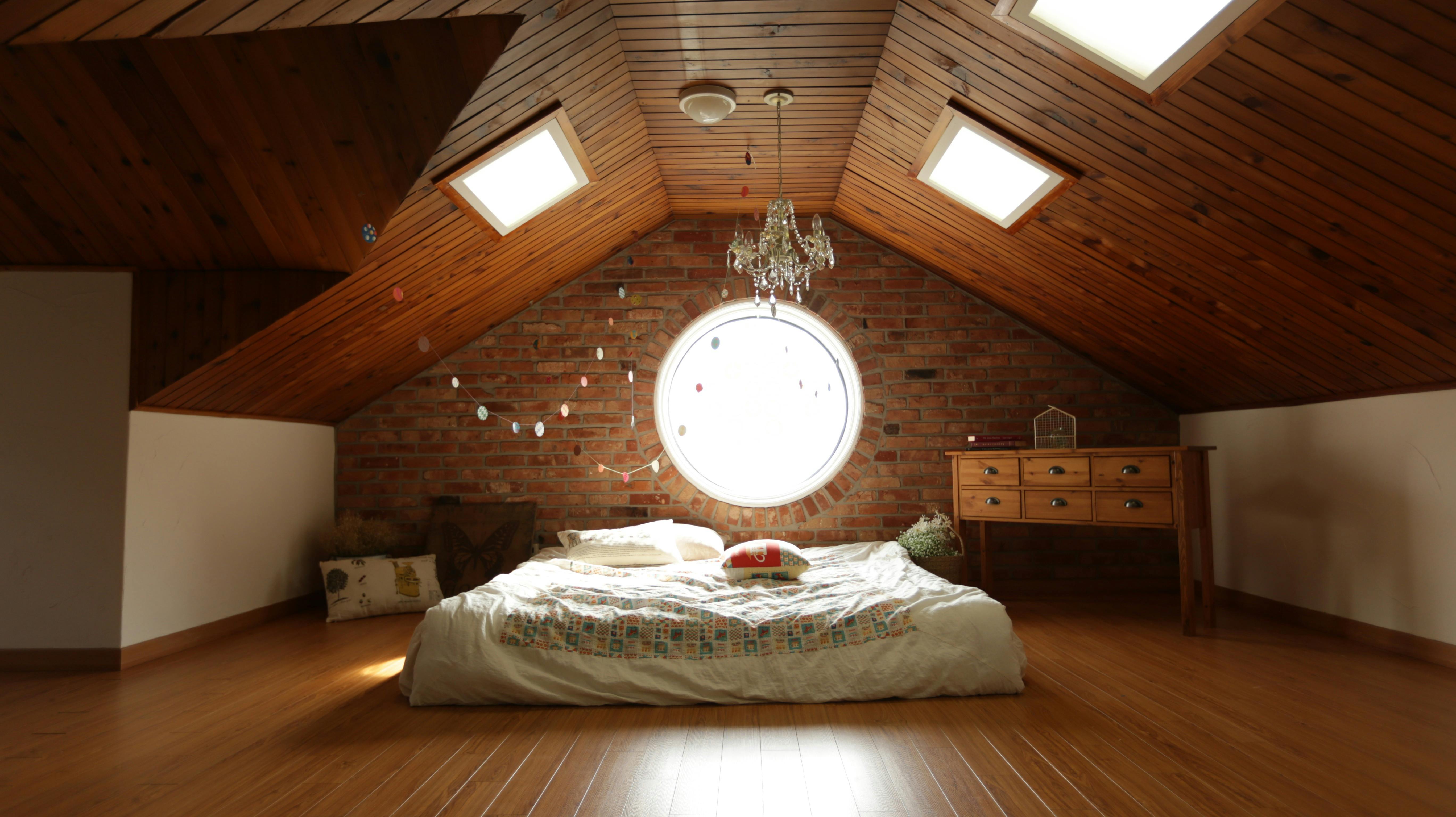
Why Home Decor Matters
Home decor plays a significant role in how we feel and interact with our environment. Studies in psychology and interior design show that our surroundings affect mood, productivity, and overall well-being. A thoughtfully designed home can create a sense of harmony, improve focus, encourage relaxation, and even strengthen relationships. On the other hand, cluttered or poorly arranged interiors can lead to stress, anxiety, and discomfort.
Decor is also a reflection of cultural identity. Around the world, interior design has evolved differently — from the minimalism of Japanese Zen-inspired spaces to the vibrant and colorful textiles of Moroccan homes. Decorating is not only about beauty but also about functionality, cultural traditions, and lifestyle choices.
Major Home Decor Styles
There are countless approaches to decorating, but certain styles stand out for their influence and popularity. Understanding these can help homeowners choose a direction that suits their personality and daily needs.
1. Modern Style
Modern decor emphasizes clean lines, open spaces, and simplicity. Originating in the early 20th century, it avoids excessive ornamentation and relies on neutral tones, functional furniture, and materials like glass, steel, and natural wood. A modern living room might feature a neutral sofa, a sleek coffee table, and a statement artwork that adds character without overwhelming the space.
2. Minimalist Style
“Less is more” defines minimalism. This style removes unnecessary clutter, highlighting essential furniture and decor. White walls, neutral tones, and open floor plans dominate minimalist homes. The goal is not emptiness but intentionality — every object has a purpose, whether functional or aesthetic.
3. Scandinavian Style
Originating in Northern Europe, Scandinavian design blends simplicity with coziness. It often includes light woods, soft textiles, and bright white walls to maximize natural light. This style emphasizes warmth, comfort, and practicality, making it one of the most beloved worldwide.
4. Bohemian Style
The Bohemian (or Boho) style embraces freedom, creativity, and individuality. Inspired by global cultures, it combines colorful textiles, patterned rugs, eclectic furniture, and a mix of vintage and handmade items. Plants play a central role, creating a natural and relaxed atmosphere.
5. Industrial Style
Industrial decor draws inspiration from factories and warehouses, featuring exposed brick walls, metal beams, raw wood, and vintage lighting. Spaces often feel rugged yet stylish, blending masculine energy with functional beauty.
6. Rustic Style
Rustic interiors bring nature inside with wood beams, stone fireplaces, handcrafted furniture, and earthy colors. This style evokes countryside charm, focusing on comfort, durability, and authenticity.
7. Classic and Traditional Styles
Traditional design is rooted in European aesthetics, especially from the 18th and 19th centuries. It includes ornate furniture, patterned fabrics, chandeliers, and symmetry in layout. A traditional home decor style exudes sophistication and timeless beauty.
Practical Home Decor Tips
Beyond choosing a style, practical decision-making shapes how well a home functions. Here are key elements to consider:
Choosing Colors
Colors influence mood dramatically. Warm tones (reds, oranges, yellows) create energy and intimacy, while cool tones (blues, greens, purples) promote calmness. Neutral shades offer versatility and can be paired with bold accents for balance.
Lighting Design
Lighting sets the atmosphere. Natural light should be maximized, while artificial lighting should include a mix of ambient, task, and accent sources. Dimmer switches, layered lighting, and statement fixtures (like pendant lamps or chandeliers) enhance functionality and beauty.
Furniture Placement
Furniture arrangement can make or break a room. Large items like sofas or beds should be placed strategically to allow free movement. Floating furniture away from walls often creates more inviting spaces. Rugs can be used to define zones in open-plan layouts.
Textiles and Accessories
Soft furnishings — curtains, rugs, pillows, blankets — add warmth and texture. Accessories like artwork, vases, or sculptures express individuality. Plants bring life and freshness into the home, improving air quality while enhancing aesthetics.
DIY Home Decor Ideas
Personal touches matter most. DIY projects, such as painting old furniture, creating a gallery wall, or making handmade decorations, not only save money but also make spaces feel truly personal.

Room-by-Room Home Decor Guide
Living Room
The living room is the social hub of the home. Decor should encourage conversation, relaxation, and entertainment. Comfortable seating, layered lighting, and a balanced layout are essential.
Bedroom
The bedroom is a sanctuary. Prioritize comfort with high-quality bedding, soothing colors, and blackout curtains. Avoid clutter and electronics that disturb sleep.
Kitchen
Kitchens are functional but can also be stylish. Open shelving, well-organized cabinetry, and good lighting make cooking enjoyable. Adding plants, colorful backsplashes, or statement lighting personalizes the space.
Bathroom
Bathrooms benefit from mirrors, proper storage, and bright lighting. Spa-inspired touches such as candles, natural stone, or wooden accents can elevate the atmosphere.
Outdoor Spaces
Balconies, patios, and gardens extend living areas. Comfortable outdoor furniture, lighting, and greenery can transform them into retreats for relaxation or social gatherings.
The Future of Home Decor
As technology advances and environmental awareness grows, sustainable and smart decor trends are gaining momentum. Eco-friendly furniture, recycled materials, and energy-efficient lighting align with global movements toward sustainability. Smart homes integrate technology with decor, where lighting, temperature, and security are managed seamlessly through design.
Conclusion
Home decor is not just about appearances — it is about creating meaningful spaces where people feel comfortable, inspired, and connected. Whether you love minimalism, bohemian creativity, or timeless tradition, the essence of decorating lies in reflecting your unique personality. With thoughtful choices, creativity, and inspiration, any house can become a true home.
Word count: ~5300+


Комментарии
Отправить комментарий